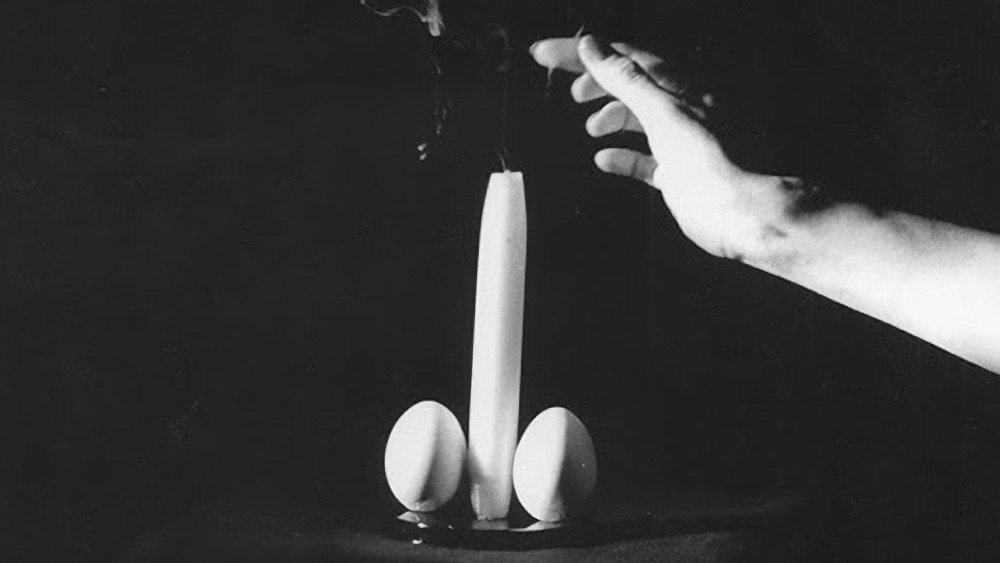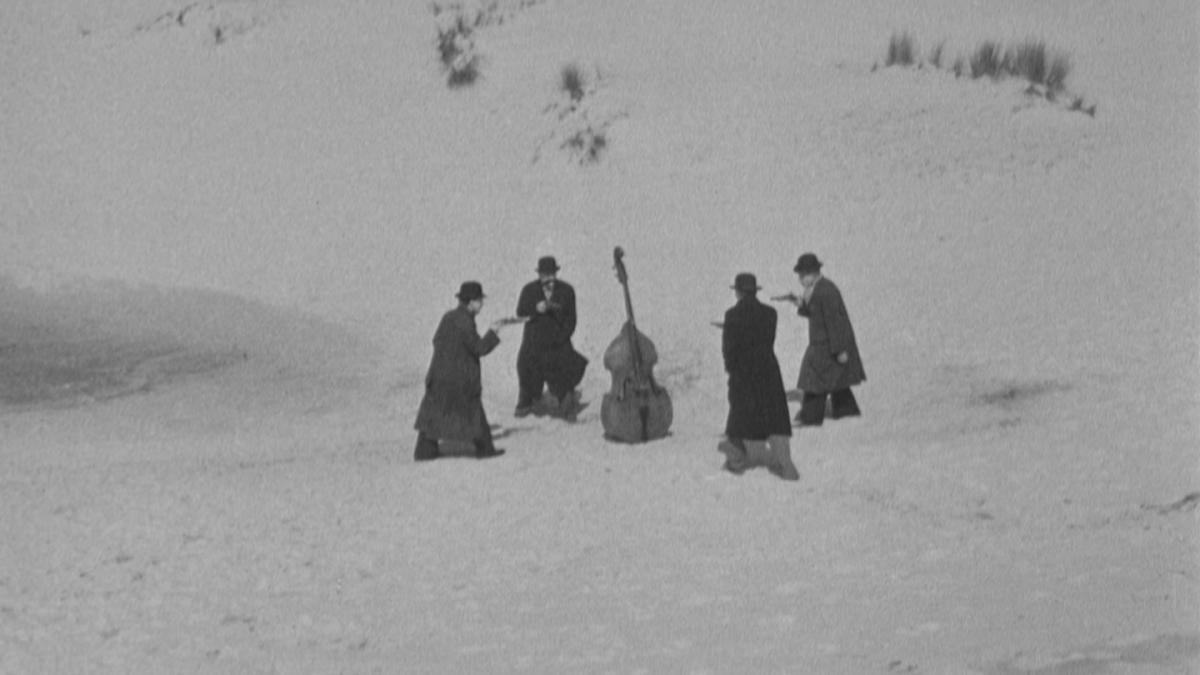
In this surreal silent film, the masked Mr Fantômas - also known as the "Demoralising Lord" - goes through a series of unsavoury adventures in search of his beloved Elvira. Along the way, he commits crimes and violates mores. The film’s main ingredients are amour fou, the meanders of dreams, a fanatical anti-clericalism and a plea for subversion and adventure in a world where nothing is impossible, where the miracle is the shortest route from our uncertainty to mystery.
“Everything is light-hearted and lovely in this film, with intertitles few in number but nevertheless worthy of Tzara or Breton.”
Dominique Païni
“Monsieur Fantômas was screened on the same programme as Buñuel’s Un Chien andalou, which seems a good choice as both films have elements in common. First of all, they are both consciously immoral acts of savagery, partly sadistic, partly intellectual satires, with religion and love as their two main objects of attack. It is self-evident that both of them can be described as furiously anticlerical – Buñuel and Moerman were well-known for their virulent, lifelong anti-clericalism.”
Santiago Rubín de Celis