OPEN FILTERS
 CLOSE FILTERS

At a vocational school in Brussels, a couple of boys follow a training to become an electrician. The film documents and stages the lessons at school and their conversations about the future, love and work.

Tomi, Rasto and Mižu are digging a tunnel in view of breaking into a bank vault. What on paper presents itself as a typical heistmovie, turns out to be a different kind of spectacle.

Jimi tries to return a parcel to a woman from his neighbourhood in Brussels. Finding her becomes an obsession.

A Roma family lives in the vacant Gesù convent in Brussels. As Desiere is working on a fiction film with them, a real eviction of the residents becomes more and more likely.

Documentary on the transmission of Anne Teresa De Keersmaeker’s contemporary Rosas choreography to the classically-trained ballet dancers of the world-renowned Ballet de l'Opéra de Paris.

Suzanne has had enough of her boyfriend Albert. The drama unfolds in fifteen tableaux, in which she goes over to Albert’s friend Emile. Still, these romantic worries go hand in hand with insatiable boredom.

Thirty years ago, Jeancy came to Brussels from Kinshasa. His financial concerns are permeated by the political struggle in the Congolese diaspora. A continuous negotiation of urgencies.

A patient look at the final weeks of rehearsal of Mitten wir im Leben sind, a performance by Anne Teresa De Keersmaeker, her dance company Rosas and cellist Jean-Guihen Queyras, to Bach’s cello suites.

The lives of boys in a maritime boarding school are interwoven with the sea. This documentary reveals how changeable the sea is, immeasurable yet vulnerable.
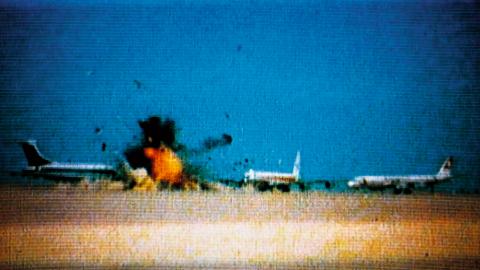
A documentary tracing the history of airplane hijacking as portrayed by mainstream television media, from the first transatlantic hijackings in the 1960s to the state-sponsored suitcase bombs of the 1990s.
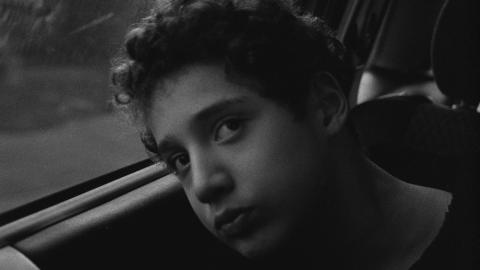
A carefully made film, offering an intimate insight into the lives of Rosie, Sami, Irakli, and Nathan, four children with different educational needs who are going to regular schools.

A film adaptation of the eponymous stage performance by choreographer Anne Teresa De Keersmaeker to music by Ligeti and Ysaÿe. The Rosas dancers create a delicate balance between energetic virtuosity and deceleration.

What is the value of images as objective testimonies of a conflict? Vanagt turns her attention to the International Criminal Tribunal for the former Yugoslavia in The Hague.

By means of visual material gathered from online sources, the cineastes create a unique poetic realm in which thoughts, fears, desires and worries, shared via the webcam, merge together.

An essay film targeting the global rise of “fear-as-a-commodity,” in a tale of odd couples and hilarious double deals. Alfred Hitchcock is cast as a paranoid history professor, unwittingly caught up in a double take on the cold war period.

In Benin, an old Peugot is passed on from one owner to the next. Until the very day the car, beyond repair, ends up as an abandoned carcass in the street and finally serves as the protecting fetish of the Ouassa villagers.

The Marolles is a playground for kids until one day workmen shake up the neighbourhood. The children declare war on them. A film about Brussels in the 1950s, in collaboration with the inhabitants.

An intimate and personal portrait of the Belgian film archive, CINEMATEK. The film talks of cinema and time in the form of a visual symphony in which a hundred films partake in a unique journey.

A film adaptation of two choreographies by Anne Teresa De Keersmaeker to music by Béla Bartók: Mikrokosmos and Quatuor no. 4.

A documentary about Gigi and Monica, two street children living in a train station in Bucharest. Monica is expecting a baby. Gigi wants to leave the obscurity of the street and tells us his dreams.

A playful, personal film in the form of a letter and an answer to the question posed by the filmmaker’s daughter: “Daddy, why don’t you make films for children?”

Pieter Bruegel’s painting Landscape with the Fall of Icarus and Belgium form together the backdrop against which various people diligently examine the question: “TO LOOK, what does it mean?” A “drolatic” film diary.

Eastern Belgium, beset by linguistic confrontations and an agriculture in decline. The film’s emotional context is just as dramatic: the death of a young farmer’s father. Will he decide to take on the farm or build a new life in the city?

In a system where economic growth dominates, the work of Walloon farmers is under pressure. They unite, but despair grows. A sensitive portrait that painfully reveals how the agricultural crisis has been decades in the making.

A fascinating documentary about the Radio Free-movement in Europe, which gives voice, for instance, to the anti-nuclear campaigns, student protests in Italy, and problems of racism encountered by immigrants.

A homoerotic exploration of beauty to the rhythm of Richard Wagner, Zarah Leander and Sergei Eisenstein. Eric de Kuyper edited film and music clips, with Ulysses’ peregrinations to guide him.

After 44 years filmmaker Boris Lehman returns to Lausanne, where he was born in 1944. His parents, both Polish Jews, sought refuge in the city during the German occupation. Lehman remembers next to nothing of the episode. A film like a time machine.
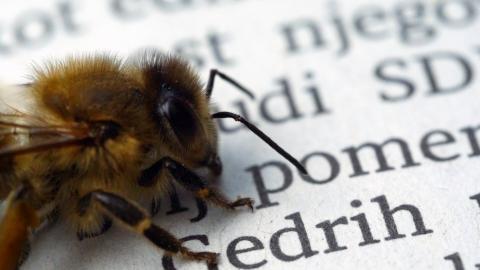
Caught in a dance, bees recount stories about the world around them. From the smallest cell in a honeycomb to the largest economy in the world, this essayistic nature documentary maps the bonds between man and bee.

With the last ship launched from the Boel shipyard in Temse, the construction of seagoing vessels in Belgium came to an end. This three-part documentary chronicles an industry and the social struggle of its workers.
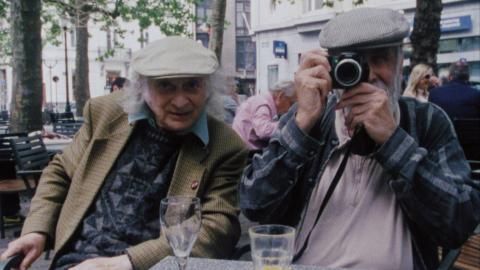
Over a period of 15 years Boris Lehman recorded countless conversations with professional friends such as Jean-Rouch, Jonas Mekas and Robert Kramer. The result is a monumental work, an eight-hour long manifesto in defense of independent cinema.

A portrait of the Norbertijnenabdij in Heverlee, made for television. The camera slides along walls and balustrades, treads carefully on stairs and portrays the daily life of the monks.

The national highway N1 connects Antwerp and Brussels, but at the same time separates the worlds on either side of the highway. The impact of the first national highway in Belgium is portrayed in grandiose scenery.
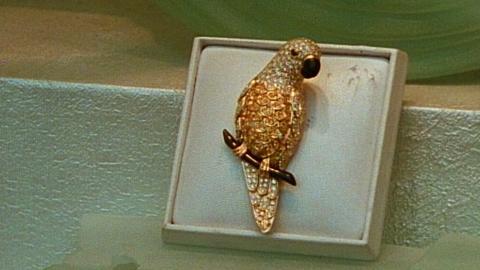
Using letters from famous visitors to Paris - Charles Baudelaire, Walter Benjamin, Rainer Maria Rilke - the magical image of the city of lights is linked to that of a banal consumerism. A visual essay about the experience of observing and being observed in a Paris with many faces.
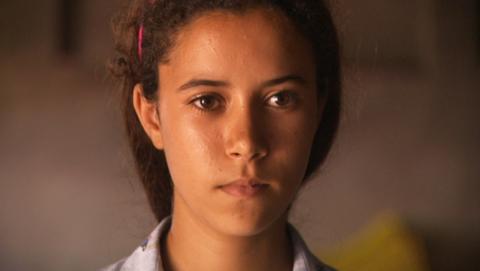
Every year, thousands of Moroccan men cross the Strait of Gibraltar to reach Spain illegally. This documentary goes beyond mere testimony and analyses with clarity and poetry the reasons that drove them to leave their homeland.

An ode to the street which once was, as an open place where people lived and played. But an equally vivid case against the street which has degenerated into a mere locus for traffic.

Four dance films and three documentaries about Anne Teresa De Keersmaeker's dance company Rosas.

Hedda returns home from an overly long honeymoon with her colourless husband. An old lover who is about to break through with an exceptional novel introduces himself.

Theatremaker Jan Decorte's first feature film covers the lonely life of a Brussels municipal employee who lives with his mother. To break through his deadly spell of boredom, his attention turns to a girl at the gymnastics club.

A unique anthology from the oeuvre of Polish novelist Witold Gombrowicz. An actor pretends to be a writer while putting words to paper. In a series of tableaux, his texts are performed and a fascinating interplay of words and images ensues.

Jan Decorte is best known as a theatre maker, although he did spend a number of dedicated early years in the film industry. He appeared in two films by Chantal Akerman and above all, in only a few years he directed three films considered milestones in Belgian cinema.
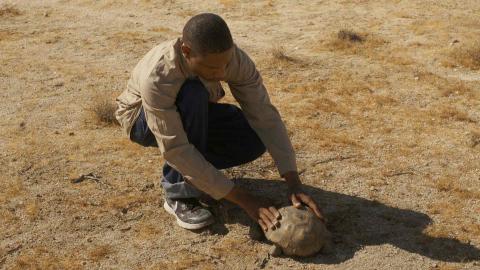
Not far from Los Angeles lies the unfinished desert city of California City. A 25-year-old Lashay T. Warren attempts to build a new life there. A visual rummage through the dusty streets that Lashay playfully describes.

The pessimistic howl of the megalopolis, which tracks the wanderings of a tormented man in the port city of Antwerp through strongly expressionistic imagery. He can only count on the understanding of an orphan and two disillusioned women.

Four women defy the law of silence and speak out in both frank and accurate fashion about their years as members of the Red Brigades. A personal discourse, averse to any myth, slogan or apology.

Loredana Bianconi accompanies her friend on a job search. At 45 the quest is anything but a thankless task. Devenir is about more than the odyssey to a job; the documentary reflects on solidarity, old age, beauty, autonomy, happiness and utopias.

Lawyer Govert Miereveld teaches at a girls' school in a provincial town. He harbours a secret platonic love for his pupil Fran, which plunges him into a downward spiral of mental disorientation. A masterpiece of Belgian magic realism.

A man is in love with a sow. She gives birth to piglets. He hangs them. Out of despair the mother commits suicide. There follows an analysis of decomposition, the devouring of shit and the man’s death, his body flying through the sky.

A video essay about the rehearsal process of the dance performance Mozart / Concert Arias, un moto di gioia, a choreography by Anne Teresa De Keersmaeker and Rosas, which premiered at the Festival d’Avignon in July 1992.

A free take on La Chinoise, a Jean-Luc Godard movie shot in 1967 in Paris. Reallocating its roles and characters fifty years later in Dakar, and updating its plot, this new version offers a meditation on the relationship between politics, justice and memory.

The travel diary of the filmmaker, who travels to Tokyo for love. A documentary where beautiful and at times intimate images interpose over a voice-over reciting an unrelated poetic text.

Leroy’s first feature film resonates as a poetic rumination, a melancholy declaration of love which takes the form of a dialogue with a Berlin lost to memory.

Leroy’s black-and-white images travel along the banks of the Danube, recounting the history of a disintegrated and devastated Eastern Europe. A film that oscillates between a poetic dream and a historical travelogue.

An experimental documentary made up of the voices haunting it: voices of poets and madmen, of a mother and a child. We look at places hard to situate with certainty, places where omens of violence are palpable and scars remain visible.

A rhythmic film poem which experiments with different editing techniques. The contrast between the professional boxers and the amateurishly assembled set forms the backdrop of a surprising experiment with form.

The deconstruction of the camera eye is pushed to the utmost in this experimental short film featuring four 'characters': the motorbike, the woman, the mountains and a series of abstract cubes.

In this seemingly classical detective story, the subjective camera eye itself gradually claims the leading role. A playful ode to Dziga Vertov.

A vagrant mourning the loss of his wife unleashes a chain of strange events in a Flemish village community. In his first feature film, Dekeukeleire combines rural mysticism and avant-garde camera techniques to forge an uncanny love story.

Three experimental short films in which Dekeukeleire playfully explored how cinematic ‘reality’ is constructed.

Charles Dekeukeleire was a Belgian film director, critic and writer. This collection traces Dekeukeleire's visual deconstructions, from his first short experiment with form in Combat de boxe (1927) to his first narrative feature film The Evil Eye (1937).

The entrancing love story of Billie and Lucas, a young Brussels couple. The film paints a candid portrait of the formative but also uncertain facets of every (first) love.
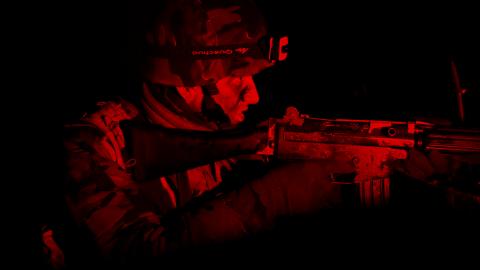
Under the tutelage of commander Walter Van Dyck, young recruits of the Belgian Armed Forces receive their basic military training.
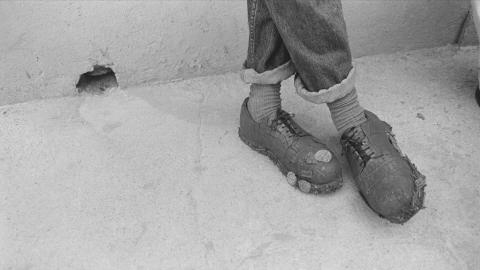
During the 5th Havana Biennial, artist Francis Alÿs put on his magnetic shoes and took daily walks through the streets of the city, collecting scraps of metal lying in his path.

A videotaped journey of a plastic bottle as it is blown by the wind around Mexico City’s main square, the Zócalo.
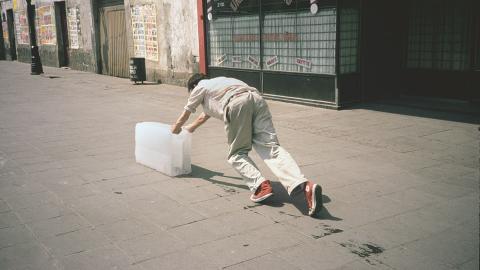
Francis Alÿs pushes a large block of ice through the streets of Mexico City and leaves a trail of meltwater.

For this epic project, Francis Alÿs invited five hundred Peruvian volunteers to walk up a mountain on the outskirts of Lima, Peru, shoveling in unison, thus displacing the dune by a few inches.

In this first video of the famous Children’s Games series, a boy attempts to kick a plastic bottle up a steep road, navigating challenges from gravity, a zigzagging path, and a dog.

Francis Alÿs strolls along Fitzroy Square in London, drumming out rhythms by dragging a wooden stick on the iron railings.

A leaking green paint pot in hand, Francis Alÿs traced the disputed border between Israel and Palestine, referred to as The Green Line.

For over a decade, Francis Alÿs chased tornadoes on the outskirts of Mexico City and captured these confrontations on film.

In Belgium’s Pajottenland, a group of children gather for a game of unequal chances: snail racing. This video is part of the ongoing Children’s Games series.

This collection is presented on the occasion of the exhibition Francis Alÿs. The Nature of the Game at WIELS (7 September 2023 to 7 January 2024) and offers a small selection of the artist's extensive video work.

A poetic portrait of Giorgi Shakhsuvarian, an Armenian boxing coach from Tbilisi. While working and living in Belgium, he prepares a young boxer for his European championship. The film melds a sense of distance, the floating experience of time and space, and the choreography of boxing.

On their way to the United Kingdom, a group of Indian refugees get stuck in the hermetic non-zones bordering the recreational community of Zeebruges, a Belgian seashore town. In their company we slowly lose all sense of time and place.
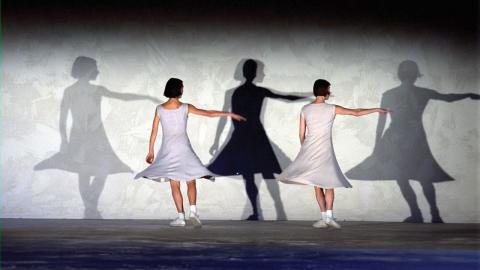
Twenty years after the eponymous choreography that put dance company Rosas on the map, the performance was adapted to film. The dance film explores the relationship between movement, music and image, creating a unique and immersive cinematic experience.

A cinematographic adaptation of the 1983 performance of the same name by dance company Rosas, which weaves together architecture, music and movement in a compelling and meticulous way.

A poetic essay film on the colonial gaze and the magic lantern. This early type of image projector was used in Belgian colonial propaganda, showcasing the good works of the Church, State and industry.
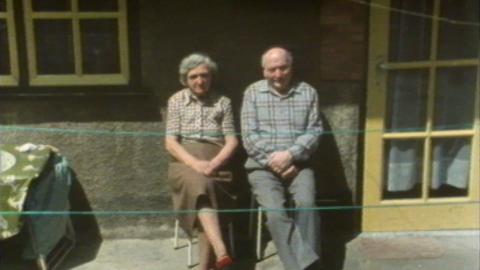
Discover the Brussels garden city of Floréal through the lens of a filmmaker who spent his childhood there. A short film that captures the relationship between architecture and residents as pre-modernist architecture comes to life, supported by rhythmic music

A collective poem about the burning of home countries, about the fire and the smoke of armed conflict. A conversation with five women from different diasporas: about leaving… and (never) arriving. An ode to the displaced woman.

In 1952, Marie-Louise Chapelle was the first French woman to reach an unclimbed peak in the Himalayas. Years later, filmmaker Ellen Vermeulen follows in her footsteps. An intimate journey through snow landscapes in which personal ambitions, social constraints, and the complexity of being a woman take center stage.

A fictitious nature documentary narrator takes the viewer on a journey meeting Palestinian stone masons, passionate British geologists and people living on the lava fields of Fogo. A hypnotic essay film asking urgent ecological questions.
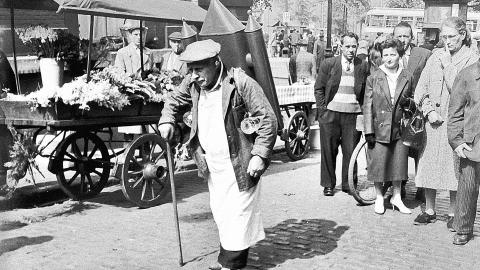
An old coco merchant is making his way through the bustling market squares of the Marolles neighborhood with a large beverage dispenser on his back, serving licorice lemonade to locals. A precious document of city life in mid-century Brussels.
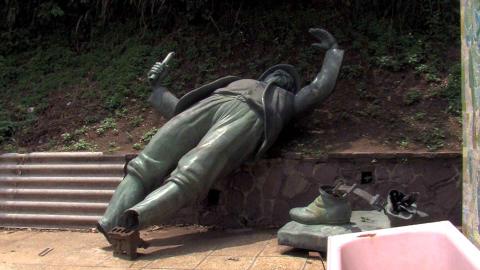
Set to the music of Bach's St. John Passion, the spectator is plunged into one of the darkest pages of Belgian Congo's decolonial history: the assassination of Patrice Lumumba. This documentary film essay explores the fine line between historiography and legitimization.

In an imagined future, Palestinian families in a refugee camp in Lebanon prepare for their return to Palestine—a long-held dream that remains distant from the realities of their daily lives in exile.

Images with the urgency of an Instagram story create a long-distance dialogue between family members across a sea: Mourad and Fairuz, Tunisia and abroad. A film about waiting, dangerous desires, and dreams.

In a quiet Brussels street, two filmmakers film their neighbours, capturing personal stories and everyday secrets right on their doorsteps. An interesting portrait of their diverse city.

In different living rooms in Brussels, parents cut their children’s hair. We witness intimate moments between toddlers who resist or completely surrender to the tender ritual and parents who want to succeed in their delicate task.

This short film program explores several Brussels neighbourhoods. These four films are charming and moving portraits of neighbourhood residents and together span a period of nearly 60 years, offering a special look at a city in constant transformation.

Inspired by their teacher during their first history lesson, eight- and nine-year-old children decide to make an animated film about prehistory. In four colorful scenes, they bring the past to life.

Six Brussels children make an animated film together that reveals their view of the world. Filmmaker Patrick Van Antwerp gives a fascinating insight into their creative process and the workings of the animation studio.

Children from Brussels create an animated film on the theme of "play" with sets made from black-and-white photos of their homes. From Monopoly to video games, each story explores creativity and imagination.

A group of children from Brussels bring a thrilling adventure to life in a short animated film. Spiderman and his gang try to outsmart the police, but they are caught by surprise in an old chewing gum factory.

A stop-motion film created by a group of children who tell about their love of football on the streets of a working-class Brussels neighborhood. A playful ode to fantasy and the importance of open space in the city.

This short film program showcases five animated films made in the 1980s by children at Atelier Graphoui workshops. Mixing techniques and free-writing, these playful films amplify minority voices, reflecting Graphoui's decades-long work with non-filmmakers.

A group of people without valid residence documents is closely observed in this silent film. The absence of sound highlights the contrast between their quiet presence and the intense, often unseen pressures they endure.

In the house of La Voix des Sans Papiers in Brussels, the members gather in the corridor for a meeting that will last all night. A direct and intimate confrontation with the living environment of undocumented people in Brussels.

Hundreds of summons letters arrive at the occupied building of La Voix des Sans Papiers. With care, Kandé and Taslim sort and distribute the letters to the residents, who will later appear in court. In the corridors of the courthouse, the sounds of an occupation echo.
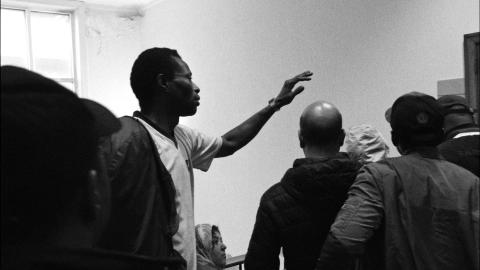
Short films that emerged from the eyes and hands of the movement La Voix des Sans-Papiers and two filmmakers. Their work reflects an ongoing struggle, primarily focused on staying aligned together.

Tucked away in a small blue cabin at the end of his garden, a filmmaker dreams of a film containing all the others he has ever imagined. Everyday objects become vessels of memory, setting off an adventurous, playful wandering through time, space and the human imagination.

Through interviews with amateur and experienced actors, this documentary delves into the acting profession and the fascination it holds for people across backgrounds and generations. What mysterious alchemy fuels the passion for bringing someone else’s imagination to life?

On the eve of a Roma wedding in France, a group of women gathers to talk about their dreams, traditions, and desires of freedom and self-expression. This intimate documentary moves to the rhythms of flamenco, while it explores questions of heritage, identity, and emancipation.

Three short films by young filmmakers, unified by a shared sense of longing: for identity, healing, and emancipation.
Filmmaker Harun Farocki played a pioneering role in exposing the underlying social, political, and technological structures through which images are produced and circulated. This collection shows how his films challenge what seems self-evident by deconstructing our perception of the everyday.

How to depict the cruelty of napalm without making the viewer look away? An analytical deconstruction of modern warfare, examining the compartmentalised roles scientists and engineers play in the production of destructive weapons, and exposing the nexus between industry, politics and violence.

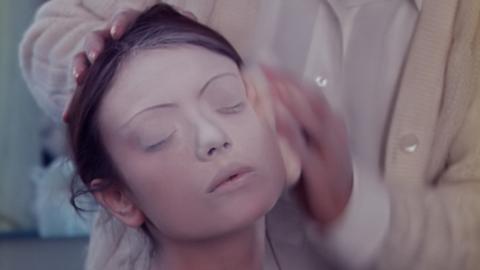
Over four days in a Munich studio, a small crew and a model create the cover photograph for Playboy Magazine. A clinical portrait of how an apparently spontaneous fantasy is meticulously constructed.

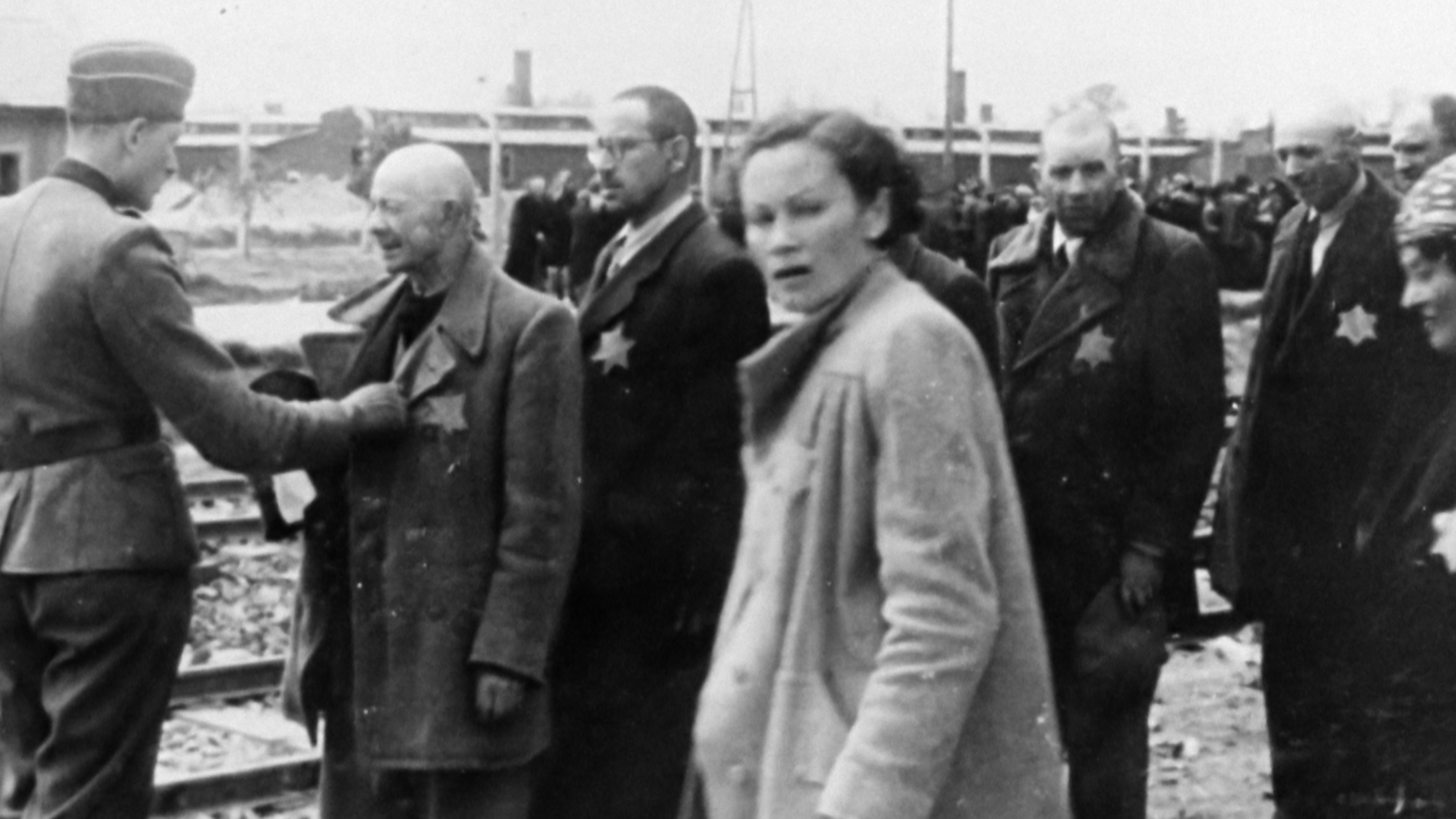
Through a series of historically charged visuals, including aerial photographs of Auschwitz and archival images from colonial Algeria, this documentary interrogates how seeing, recording, and interpreting images shapes our understanding of the past and the present.

From the factory gates in the Lumière brothers’ first moving images to the industrial landscapes of the twentieth century: the factory and its workers have been a recurring subject throughout cinema history. Through a careful montage of images, this essay film reveals the intertwined histories of cinema and industrial capitalism.

With a montage of film extracts, this documentary explores how hands create meaning on screen, betraying emotions and bearing witness.

Shopping malls have become a familiar feature of contemporary life, an almost unavoidable element of the consumer experience. An analytical documentary that examines how these seemingly pleasurable environments are carefully engineered to encourage consumption, through strategic planning, marketing and surveillance.
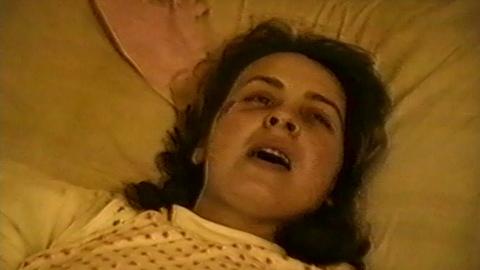
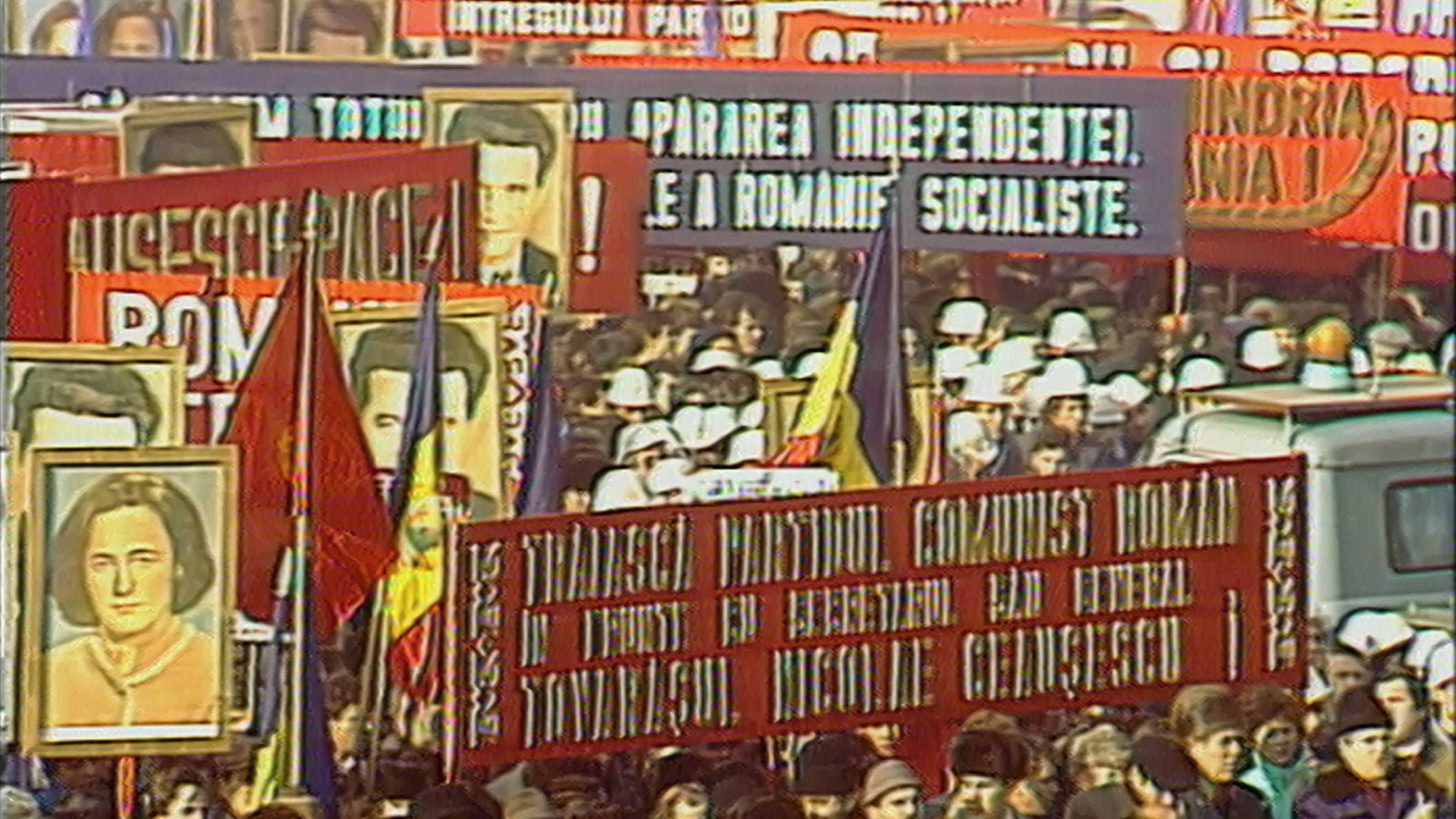
Bucharest, 1989. From the balcony of the People’s House, Romanian dictator Nicolae Ceausescu gives his final public speech, before being cut short by a protesting crowd. Executed four days later, his downfall marks the beginning of a new era. An essayistic documentary that examines how a revolution was mediated through images.
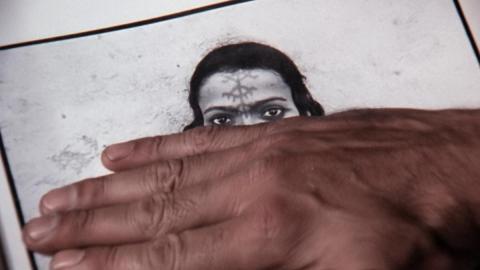
Through a series of historically charged visuals, including aerial photographs of Auschwitz and archival images from colonial Algeria, this documentary interrogates how seeing, recording, and interpreting images shapes our understanding of the past and the present.
↓ Coming Soon